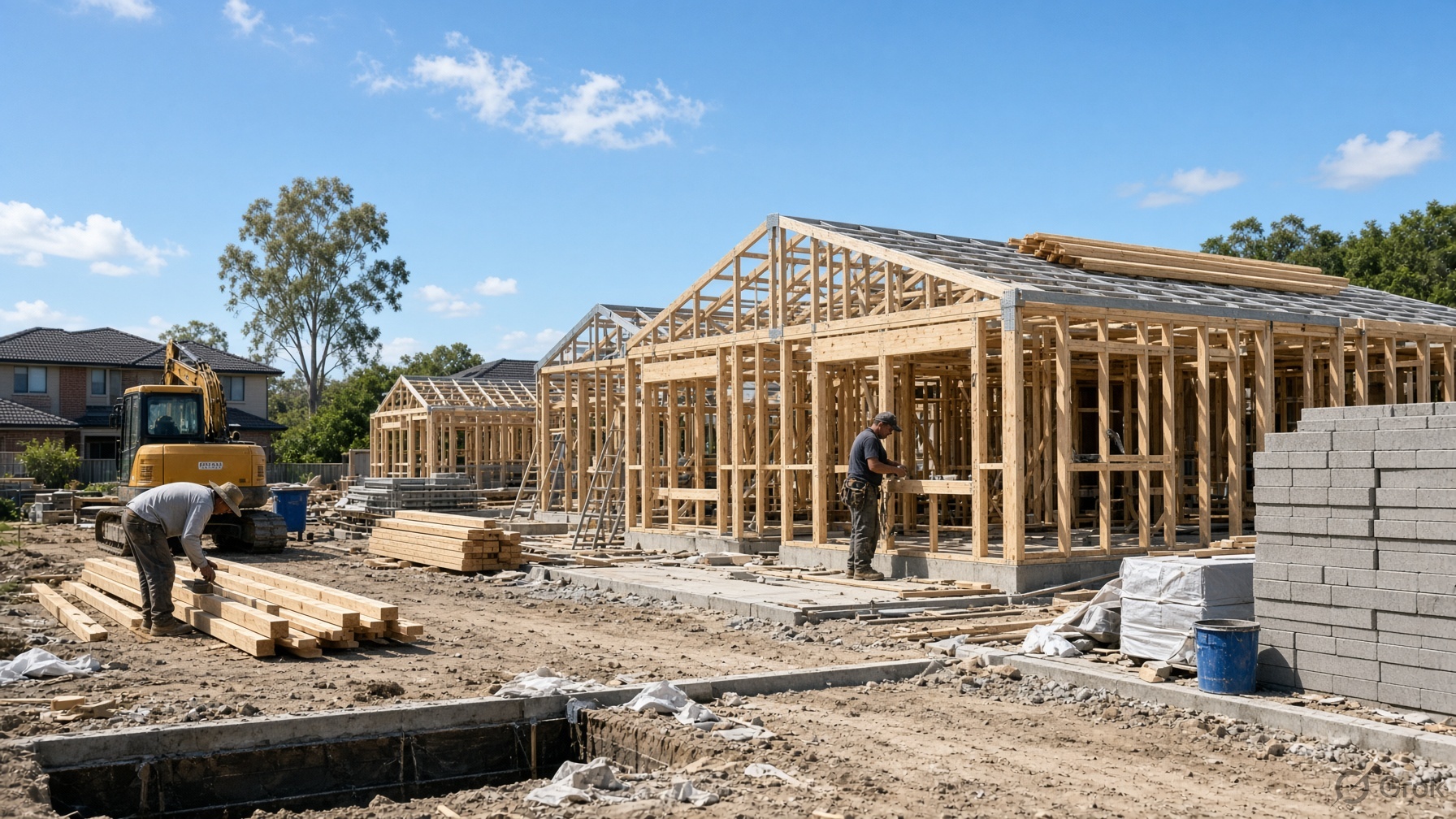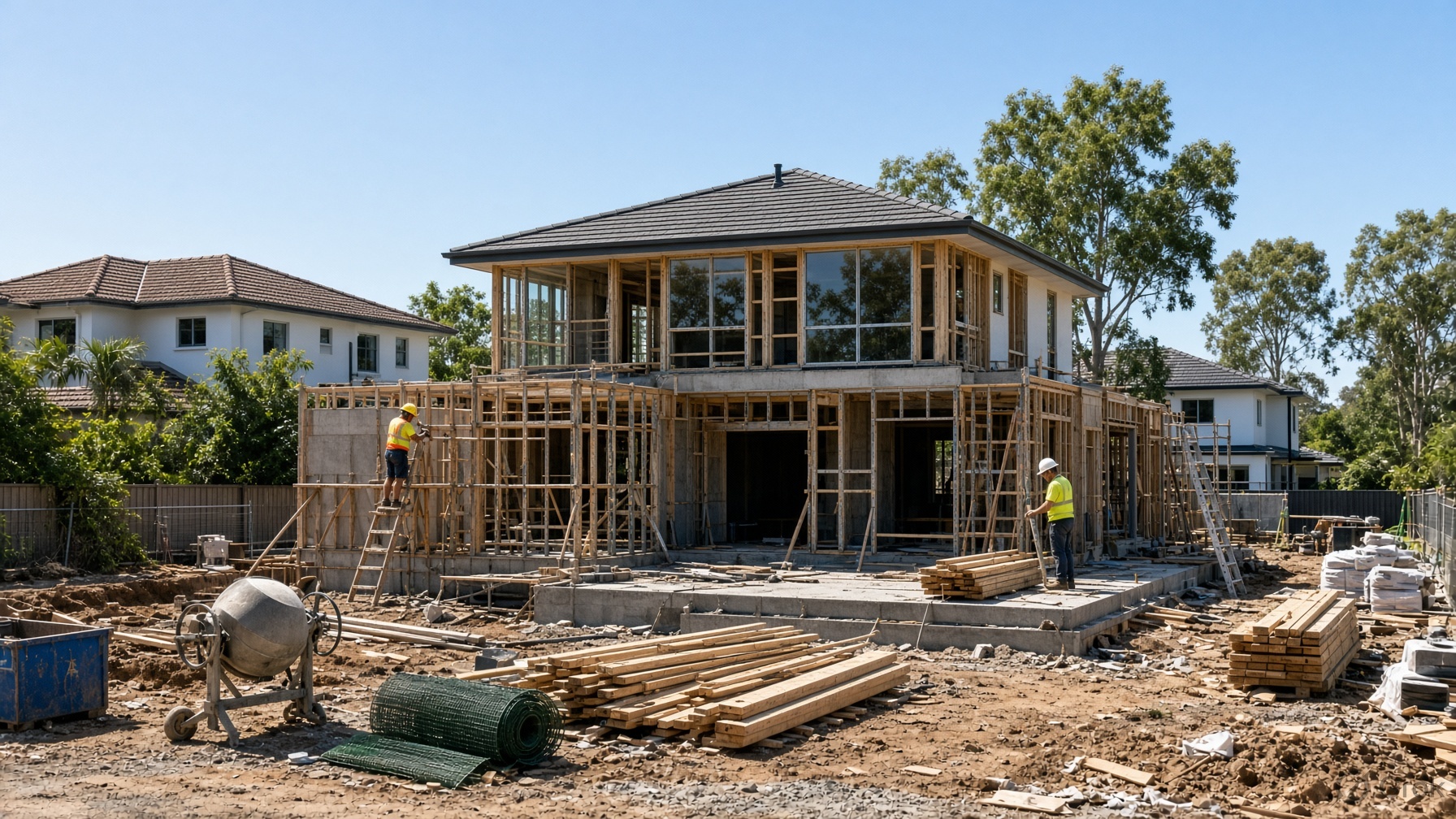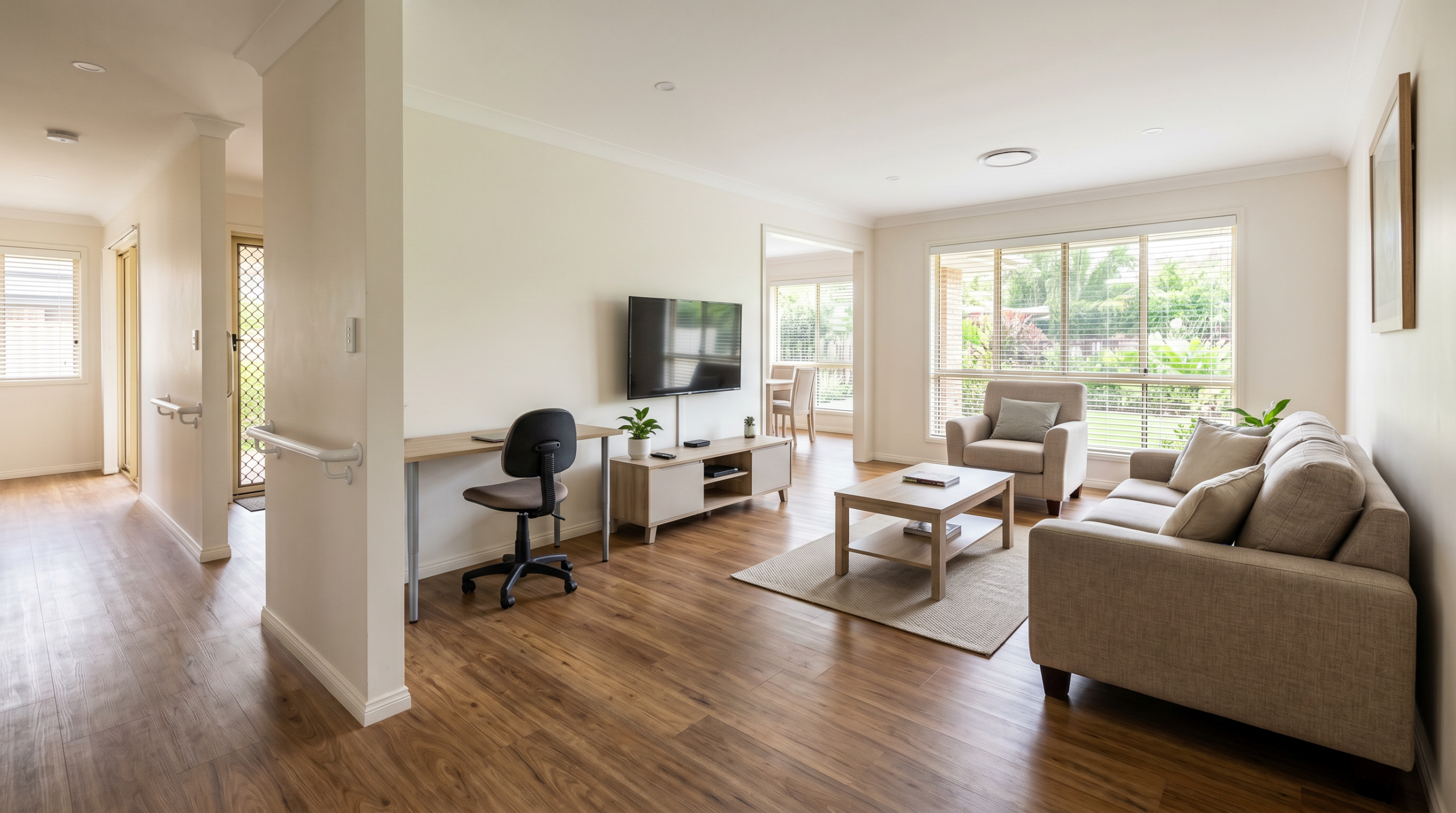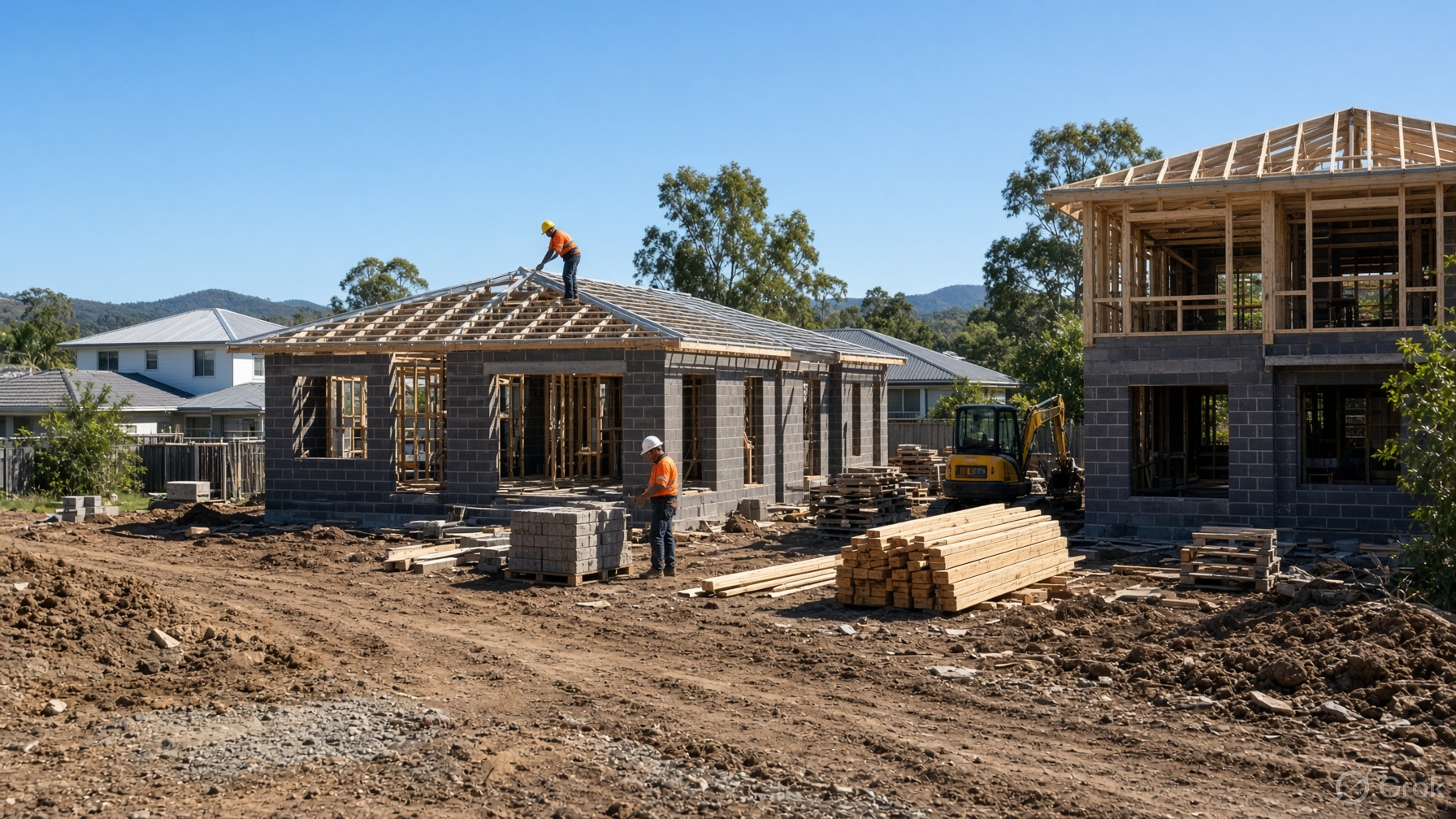

Bathrooms are one of the most frequently used spaces in any home, and they can also be one of the highest-risk areas for people living with disability or reduced mobility. Wet surfaces, tight layouts and difficult transfers can turn everyday routines into safety concerns when the space does not properly support the participant’s needs.
For eligible NDIS participants, disability-related bathroom modifications may be funded where they are considered reasonable and necessary, supported by appropriate assessment, and included in the participant’s approved plan. When properly designed and constructed, an accessible bathroom can improve safety, independence, privacy and confidence at home. Home modifications are custom-built changes that help a participant access and use areas of their home more safely and effectively.
At Qline Industries, we provide bathroom modification solutions across Queensland that are tailored to the participant’s functional needs, aligned with the recommended scope of works, and completed in accordance with relevant building, plumbing and certification requirements.
Bathrooms can present unique challenges for NDIS participants due to:
Without the right layout and fixtures, a bathroom may increase the risk of falls, reduce independence and make daily routines more difficult. In some cases, bathroom modifications may also help participants continue living safely in their current home. The NDIA specifically recognises bathroom access, shower use, circulation space and carer safety as common reasons home modifications may be needed.
The exact solution depends on the participant’s disability-related needs, the layout of the home and the recommendations provided by the assessing clinician. Depending on the approved scope, bathroom works may range from minor changes through to complex structural modifications.
A level-access or step-free shower is one of the most common bathroom modification outcomes for participants with mobility restrictions.
Potential benefits include:
Where included in the approved scope, these showers must be designed and built with appropriate falls, drainage, waterproofing and construction detailing.
Toilets and vanities may be modified to better suit a participant’s height, reach and access requirements.
These works may include:
The aim is to improve everyday usability while supporting safer movement through the bathroom.
Some participants need more than a simple fixture change. In more complex cases, the bathroom may need to be reconfigured to improve access and allow safe use of mobility equipment or carer support.
This can include:
This type of work typically falls within complex home modifications and requires more detailed assessment and planning.
Depending on the assessment and approved scope of works, the bathroom may also include fixed support features such as rails, reinforced mounting points or other built-in accessibility elements.
Correct placement matters. Features must be selected and installed to suit the participant’s functional needs and the overall bathroom design, rather than added as generic fittings. Some items used in bathrooms may instead be treated as assistive technology or home adaptations, depending on the product and the scope of support.
In some bathrooms, built-in seating or accessible shower fittings may be recommended to support safer bathing.
These may help by:
The NDIA distinguishes between built-in disability-related modifications and portable or retail products, so the right solution depends on the participant’s assessment and approved supports.
No two participants have exactly the same access needs. A well-designed bathroom modification should consider the participant’s current function, likely future needs and the practical realities of the home.
This may include:
For more detailed or higher-value works, the NDIA expects assessment by an appropriately qualified home modification assessor, who is an occupational therapist with specific home modification skills. Their role is to recommend the supports that are likely to be effective and appropriate for the participant’s goals and living situation.
Minor home modifications are works that do not change the structural parts of the home or cost more than $20,000. The NDIA separates these into Category A and Category B. Category B also includes minor modifications to a bathroom floor.
Depending on the approved scope, minor bathroom works may include:
These projects are generally less invasive than full rebuilds, but they still need to match the participant’s assessed needs and approved funding.
Complex bathroom modifications involve larger or more technical works and may affect several areas of the home.
These projects can include:
Complex home modifications usually need detailed assessment, itemised quotes, licensed builders, and may also require building consultation, approvals, certifications or project management depending on the job.
It is important to avoid treating bathroom works as a standard renovation. The NDIS may fund disability-related bathroom modifications where they meet the funding criteria and are included in the participant’s plan. It does not generally fund unrelated cosmetic upgrades or premium finishes simply because a bathroom is being modified. Participants may choose to pay the difference themselves for upgraded finishes or fixtures that achieve the same outcome.
Before funding can be considered, participants generally need the right supporting evidence. Depending on the complexity of the work, this may include:
For complex home modifications, the NDIA states that participants generally need an assessment from a home modification assessor and 2 itemised quotes from a licensed builder.
Bathroom modification work must be completed in line with applicable laws, codes, approvals and certifications. In practice, that may involve the National Construction Code, plumbing and waterproofing requirements, electrical certification and any state or local approval requirements that apply to the project. The ABCB develops the NCC, while state and territory regulators oversee building and plumbing regulation and enforcement.
For participants and families, this matters because non-compliant work can create safety risks, delay final payments and lead to costly rectification later.
Bathroom works can be disruptive, especially where:
A good provider should plan carefully, communicate clearly and coordinate trades in a way that reduces downtime as much as possible. For some participants, temporary arrangements may also need to be considered during construction. The NDIA notes that related or incidental supports may sometimes be funded in connection with home modifications, depending on the circumstances.
Successful bathroom modifications usually involve collaboration between the participant and several key people involved in the process, such as:
Clear communication helps ensure the proposed works align with the participant’s goals, assessment recommendations and approved funding. The NDIA also notes that written agreements are important when participants engage providers for assessments, plans, drawings or building works.
Bathroom modifications require careful planning, technical knowledge and quality construction. At Qline Industries, our focus is on delivering practical bathroom solutions that support safer access, dignity and long-term usability.
Our approach includes:
For Agency-managed home modification funding, participants generally need to use NDIS registered providers. For self-managed or plan-managed funding, providers may be unregistered, but they must still have the right qualifications for the work they perform.
The process for a bathroom modification usually begins with the participant’s assessed needs and approved plan.
A typical pathway may include:
The exact process varies depending on whether the work is minor or complex.
For more information, please get in contact with us.
An assessment is generally required. For Category A minor home modifications, a suitably qualified occupational therapist can assess the need. For Category B minor and complex home modifications, the NDIA expects a home modification assessor with specific qualifications and experience.
Timeframes vary depending on the scope of work, site conditions, approvals, certifications and product selection. Minor works are usually simpler than complex structural modifications.
Yes, in some cases. However, written approval is generally needed from the homeowner, landlord or other relevant body before home modifications can be considered for funding.
Not usually. The NDIS funds disability-related home modifications that meet its funding criteria. It does not generally fund unrelated cosmetic upgrades, premium finishes or general home improvements.
Yes. Where the NDIS funds a standard disability-related solution, a participant may choose to contribute their own money toward a more expensive finish or fixture that achieves the same outcome.
Qline primarily services South-East Queensland and surrounding regions. Please contact our team to confirm whether your suburb or regional location falls within our service area.

"*" indicates required fields